About Us
Voices of Bahar:
youth-led and non-profit
Executive Summary
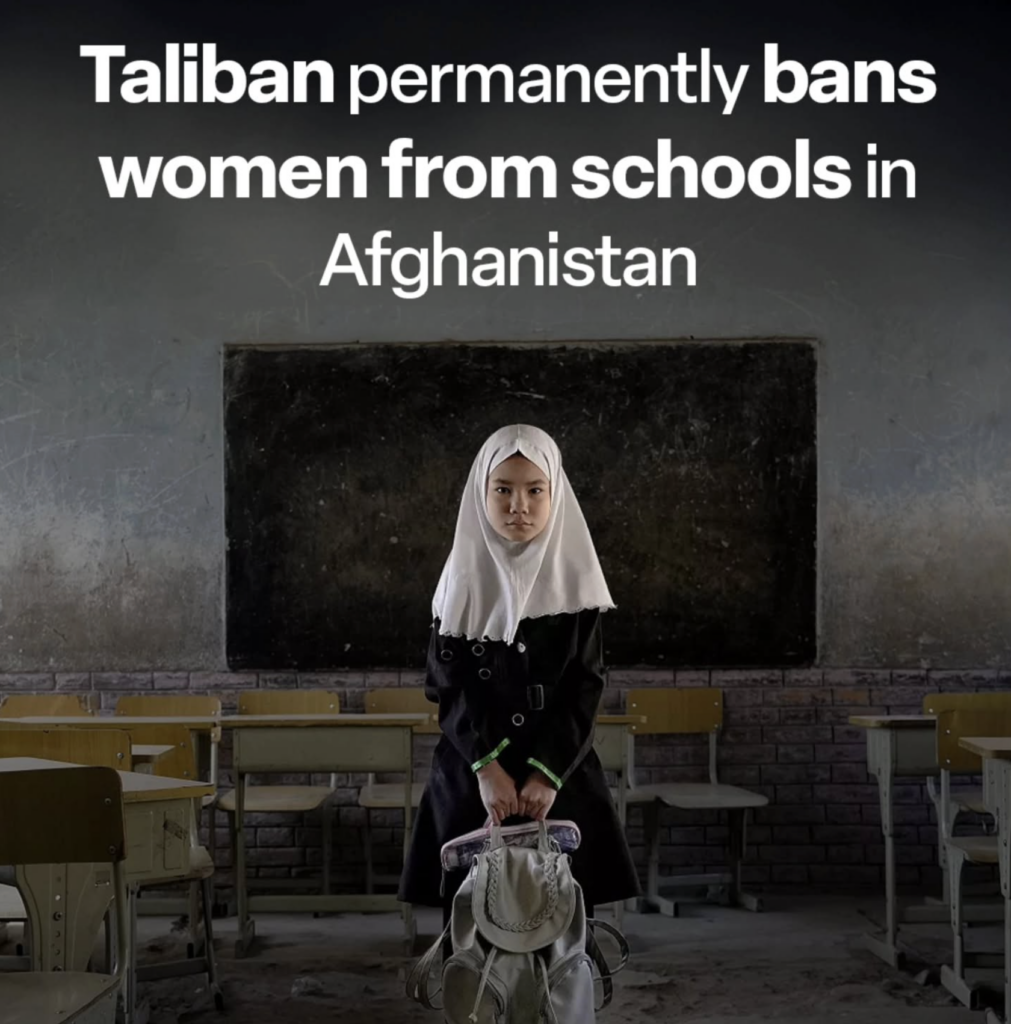
Since 2021, Afghanistan has experienced a profound education crisis. UNESCO reports that over 2.2 million girls remain banned from secondary schooling, with widespread disruption to higher, vocational, formal and non-formal learning. Displacement, economic hardship, legal insecurity, digital exclusion, and psychosocial stress create intersectional barriers that deny Afghan adolescents especially girls, refugees, undocumented youth, and minorities their right to education, development, and dignity.
Voices of Bahar is a youth-led, volunteer initiative built by and for Afghan youth to provide safe, inclusive and non-formal education and mentorship in Dari and English. Blending low-bandwidth online learning and low-tech alternatives to reach adolescents and young adults inside Afghanistan and in neighbouring host countries. Our programme integrates core academics, language learning, civic and human-rights education, digital and vocational skills, and psychosocially-aware peer/near-peer mentorship. The urgency In Afghanistan cannot be overstated with millions excluded from formal education, widespread displacement, and escalating humanitarian and protection risks across Afghanistan and surrounding regions, youth-led initiatives like Voices of Bahar are important and essential more than ever in bridging the gaps and voicing the Afghan youth’s needs internationally.
Our Values
Vision
A generation of Afghan youth (girls and boys) equipped with knowledge, critical thinking, digital and life skills who can guide and mentor the next learners.
Mission
Empowering Afghan adolescents especially girls and marginalized groups through inclusive, safe, non-formal education and mentorship, preserving academic continuity, life skills, and enabling future educational or livelihood opportunities.
Why Voices of Bahar?
Our efforts prioritise gender equity, non-discrimination, inclusion of vulnerable or marginalized groups, and
psychosocial safety.

Taget Group:
-
Primary: Afghan adolescents and young adults aged 17–24 who are currently in/ or recently
completed secondary education, and who seek continued learning and mentorship (including
school-equivalent subjects in English/Dari tuition).
-
Secondary: Afghan youth (17–26), especially women, with partial secondary/post-
secondary education, seeking skills-building, academic support, or preparation for further
study. -
Tertiary: Refugees, internally displaced persons (IDPs), returnees, minority groups — youth with
limited access to education due to displacement or marginalization. -